

Intelligent Transportation System (ITS) Project
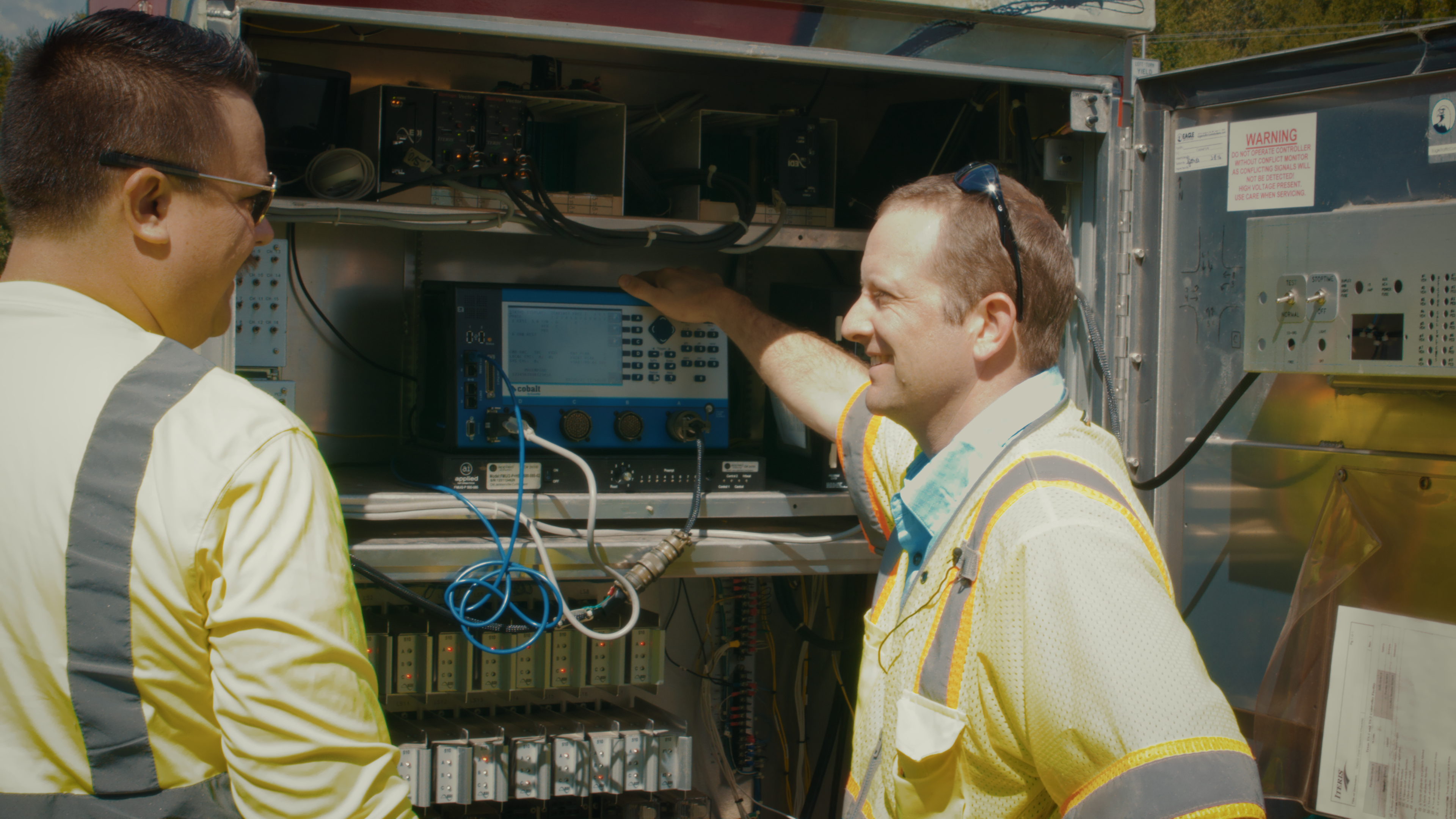 Broadway Avenue has long been known as one of the most congested roads in Tyler. Five years ago, it ranked among the 50 most congested roads in the state, according to the Texas Department of Transportation (TxDOT). By 2023, its ranking improved significantly, dropping 40 spots to 87th place. In 2024, Broadway Avenue exited the top 100, landing in 102nd place. The following year, in 2025, it dropped another 18 spots to 120th place.
The continued drop is the result of multiple years of planning and annual traffic signal re-timing, initiated in 2019 as part of the Intelligent Transportation System (ITS) Master Plan Study. This study set out a 10-year signal retiming effort to reduce congestion and improve safety each year.
The plan phases retiming at 15 intersections annually for six years, then 30 intersections for the following four years. As we enter 2026, we are in Year 6 of this plan.
The journey began in April 2019 when the City Council authorized an engineering contract with Kimley-Horn and Associates, Inc. to conduct a year-long study of the City’s traffic signal system. The City of Tyler and Kimley-Horn completed the Intelligent Transportation System Master Plan Study in 2020, which highlighted the need for annual traffic signal retiming. Read the summary report of completed activities and recommendations.
With these improvements, the City is enhancing traffic flow, safety, and emergency response while preparing for tomorrow's growth and development. The work continues, and we are already seeing the benefits of a smarter, safer, and more efficient transportation network for all.
As a major component of the ITS Master Plan, the City began a multi-year signal retiming effort to reduce congestion and improve safety. The plan includes:
• 15 intersections retimed per year (Years 1–6)
• 30 intersections per year (Years 7–10)
So far, the City has retimed 101 out of 151 signalized intersections across Tyler, spanning 10 major corridors and more than 34 miles of roadway. The work continues, and we are already seeing the benefits of a smarter, safer, and more efficient transportation network for all.
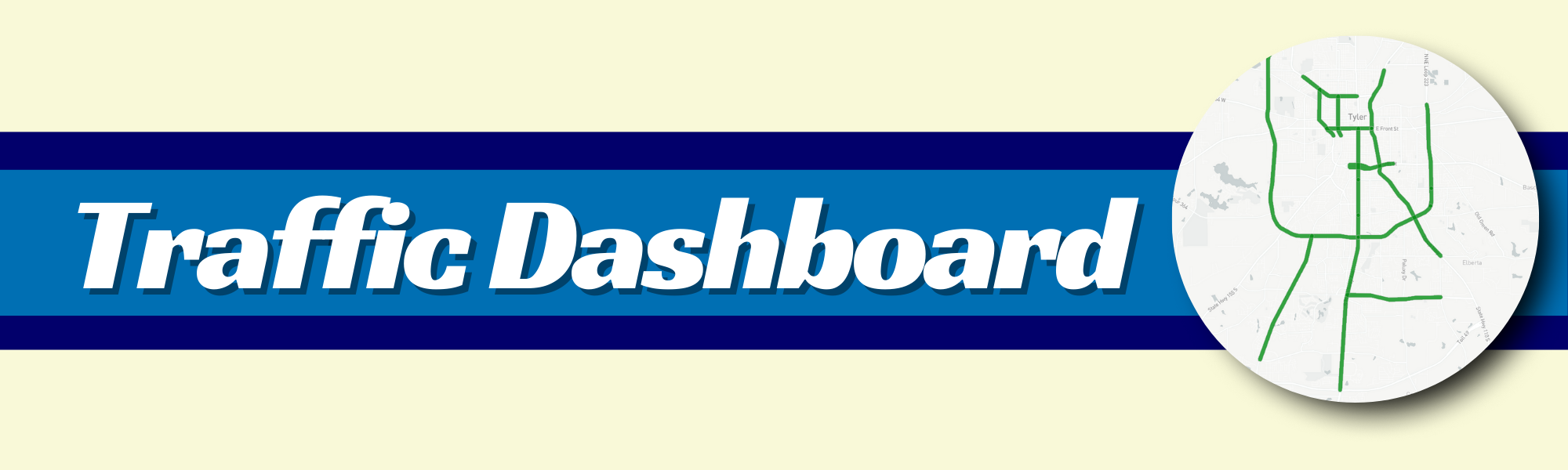
Click on the image below to explore the Traffic Dashboard.
Year 1- 5 Progress
From 2021 through 2025, the City of Tyler completed five years of intersection retiming as part of the ITS Master Plan. During this period, the City focused on optimizing traffic signal coordination along several of Tyler’s key corridors.
Other traffic projects completed include:
- Connected School Zone Flashing Beacons
- Upgraded school zone beacons to have cellular communications with a cloud-based system for remote scheduling when the beacons will be active and to receive alerts when they are not working.
- Traffic Signal Communications
- Upgraded 140+ intersections to cellular communication to allow for remote monitoring and construction of our signalized intersections.
- Central Management System
- Purchased and installed a new central system for maintaining our traffic signal timing databases, receiving alerts, and allowing for remote adjustments when issues arise
- Implemented Automated Traffic Signal Performance Measures to help troubleshoot and monitor traffic signal operations
- Traffic Signal Equipment
- Upgraded all 140+ intersections with traffic signal controllers
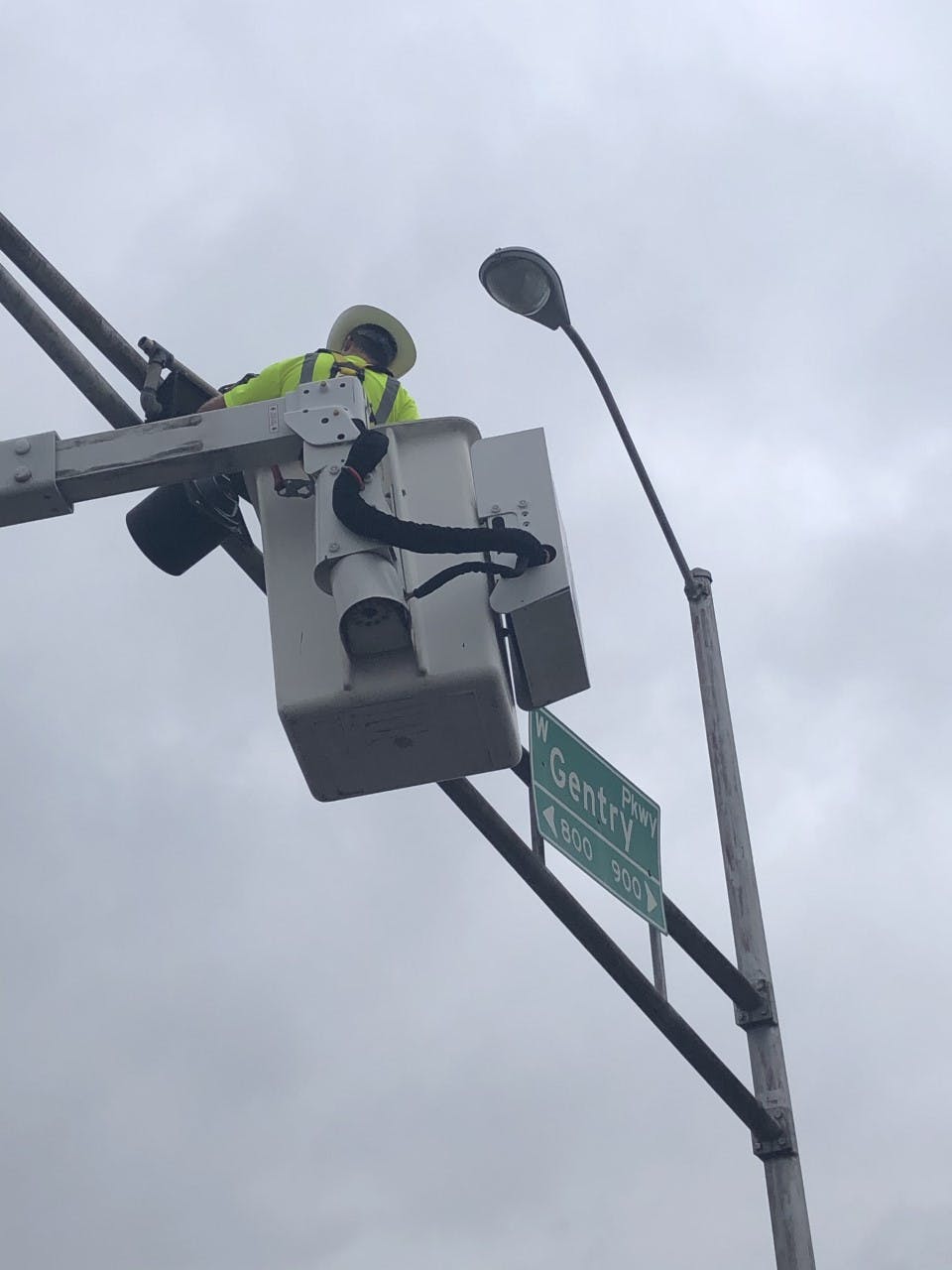
- Upgraded 35+ intersection with new traffic signal detection equipment, replacing end-of-life equipment
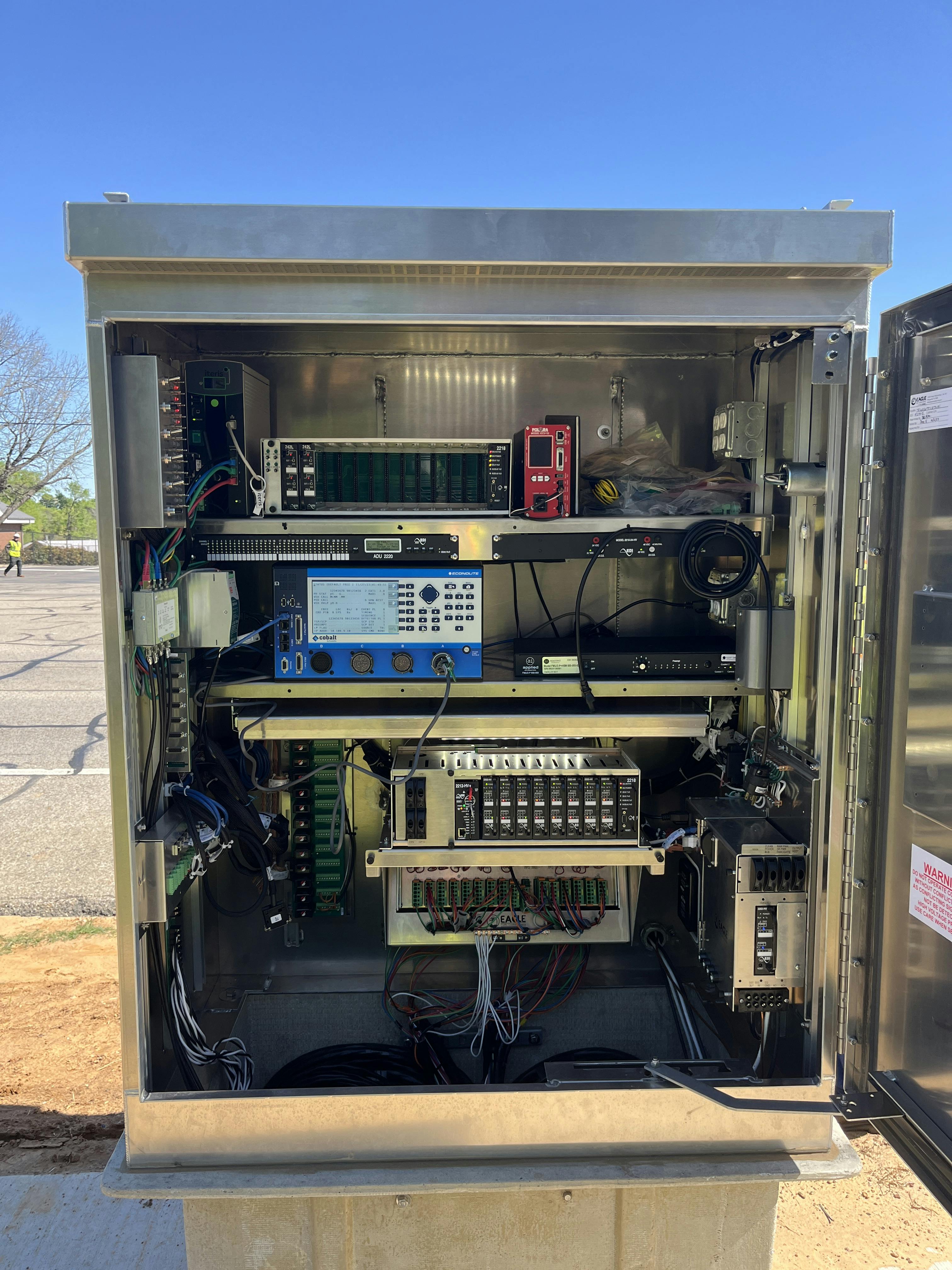
- Upgraded 15+ intersections with new advanced traffic signal cabinets
- Installed 23+ battery backup units
- Emergency Vehicle Preemption
- Citywide deployment of emergency vehicle preemption for the Tyler Fire Department, allowing them to get green lights when responding to emergency calls.
- Traffic Signal Reconstructions
- South Broadway Avenue and Robert E Lee Drive
- West Gentry Parkway and West Martin Luther King Jr. Boulevard
- West Gentry Parkway and North Glenwood Boulevard
- East Gentry Parkway and Hillsboro Street
- East Gentry Parkway and East Martin Luther King Jr. Boulevard
- 42% decrease in total delays
- 25% increase in average vehicle speed
- 36% reduction in total stops, more than 16.2 million fewer stops annually
- 22% reduction in emissions, equating to over 21,000 tons less carbon output annually
These coordinated improvements contribute to a safer, more efficient driving experience while also reducing fuel consumption and air pollution.
Navigate to the bottom of the page if you have any questions.
Ask a Question
Do you have questions about the Intelligent Transportation System (ITS) Master Plan? Ask them here to get a response from a project team member.




Thank you for your contribution!
Help us reach out to more people in the community
Share this with family and friends